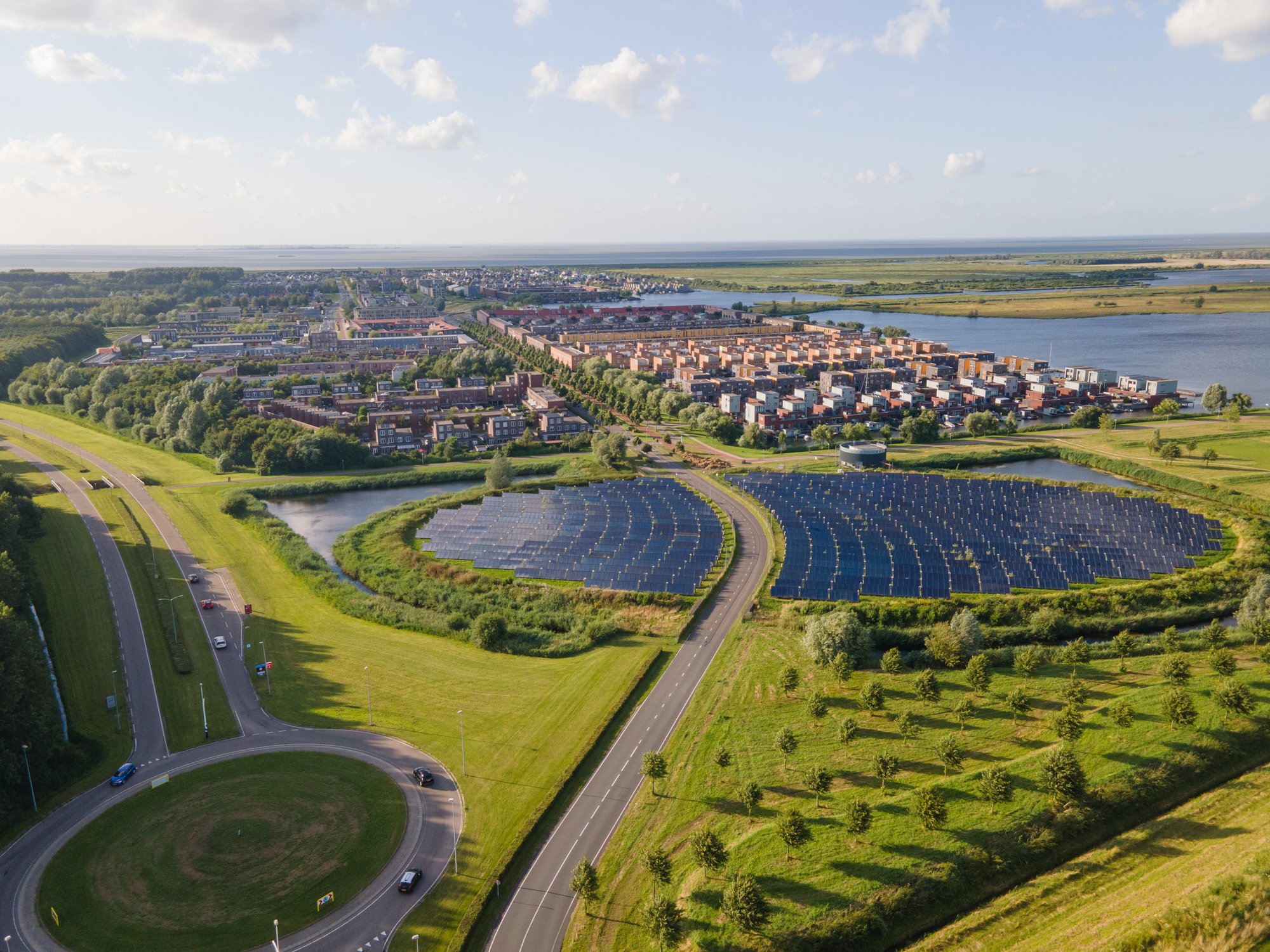
Global Thought Leader on the Coming Energy Transition
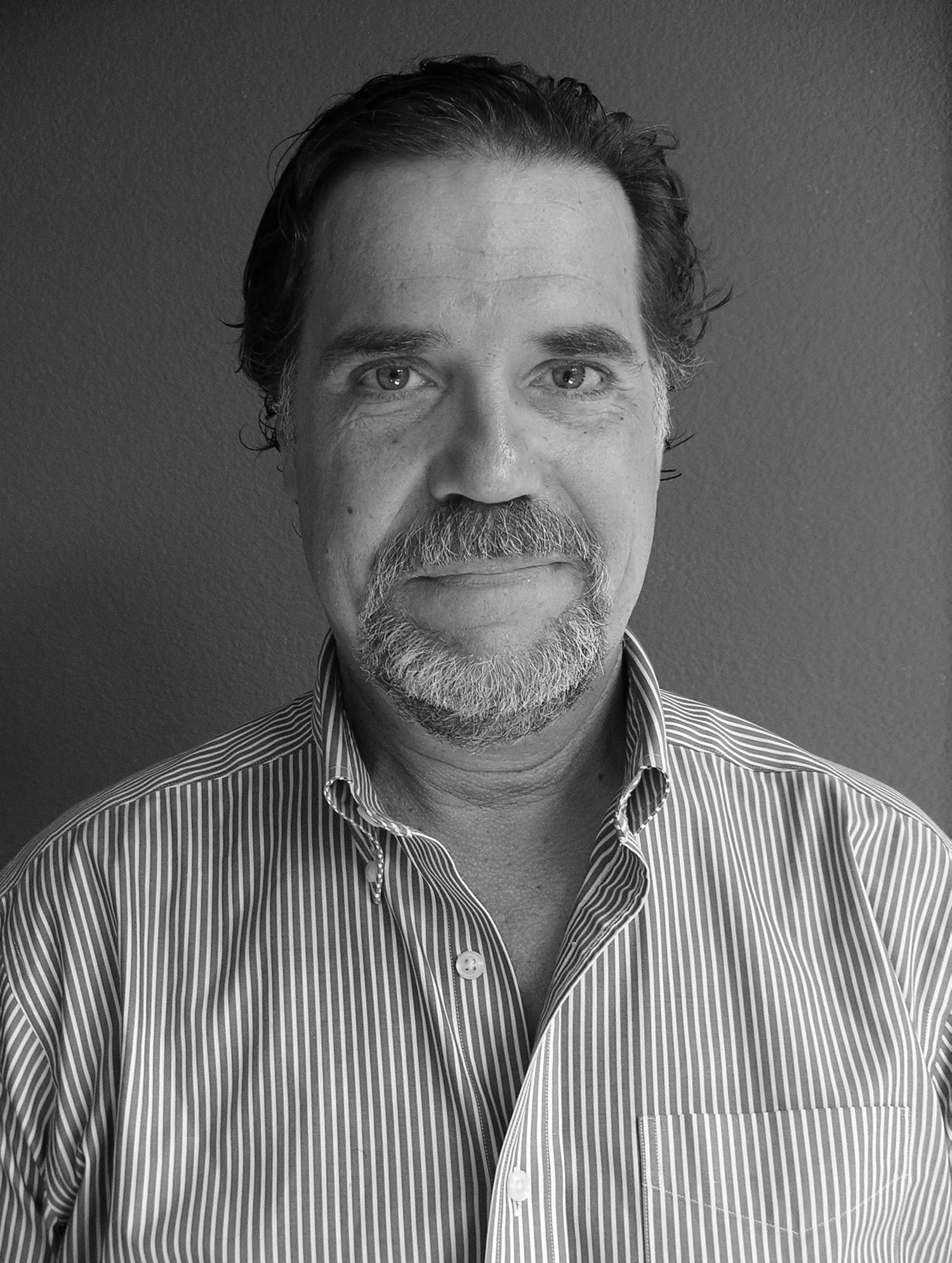
I fell into the world of energy quite by accident over three decades ago. An investigative journalist with a love of nature, I was at first frightened by the complexity of the topic – as evidenced by endless acronyms – but then became immersed in the nitty gritty details of the technologies that make our world work.
It used to be, that when folks asked me what I wrote about, their eyes would glaze over when I mentioned “energy.” That’s not the case anymore. The evolution of technology now allows consumers to become prosumers, empowering more and more citizens to democratize the energy system by writing about the specter of climate change in the ‘80s, I am also shocked at how some of the dire scenarios contemplated back then seem to be coming true today.
My career has been dedicated to promoting resilient power systems in the most sustainable way possible. From articles to blogs to books and detailed data products, I have always been a researcher who likes to scratch below the surface to understand what is really going on. This website sums up much of the work I’ve done up to this point in time. It also features my current focus on concepts such as microgrids and virtual power plants, both of which revolve around our increasing reliance on distributed energy resources (DER) such as solar panels on your roof or perhaps the electric vehicle (EV) plugged into your garage. Yes, your EV can also serve as resiliency resource for your home.

Alaska Center for Energy and Power (ACEP) is part of the University of Alaska, Fairbanks. Alaska has more energy resources than any other state in the U.S. It is also integral to developing solutions throughout the circumpolar Arctic, where renewable energy resources such as wind, hydro, geothermal and solar energy make inherent economic sense. I am adjunct faculty there, serving as a Senior Advisor on Microgrid Strategy and Thought Leadership. Visit the blog.

Alaska Microgrid Group (AMG) is affiliated with ACEP. Since Alaska has more microgrid capacity than any other U.S. state, AMG offers important lessons learned for the continental U.S. as well as emerging economies globally seeking more resilient and sustainable energy solutions. I serve as the Executive Director.

AutoGrid is a 10-year Silicon Valley-based software platform innovator that helped pioneer concepts such as virtual power plants (VPPs), the idea that creative aggregation of smaller, smarter and cleaner distributed energy resources (DER) can displace the need for large, centralized and polluting fossil fuel power plants. AutoGrid was recently acquired by Schneider Electric, also a pioneer in the DER space with compelling ideas such as energy-as-a-service microgrids. I am the Director of Strategic Marketing. Visit the blog.
What is a Microgrid?
It is what it sounds like. It is a small grid, but more importantly, has the capability of self-sufficiency whether connected to a traditional utility network or, in the case of much of Alaska, operates autonomously 24/7 365 days a year. This process is called islanding. These islands of power aggregate diverse DER and combine them into what the federal Department of Energy calls a “single controllable entity.”
What is a Virtual Power Plant?
A VPP is similar, but distinctive. Unlike a statis set of resources with a confined boundary, a VPP can grow and contract depending on the needs of the larger grid. Like a microgrid, it is comprised of DER, but even a wider variety of these on-site assets. Unlike a microgrid, it requires a distribution and transmission network to function – as well as a market structure that allows for energy trading. The underlying feature is the use of artificial intelligence to orchestrate DER assets owned by multiple parties and deliver exactly what the grid needs at the exact time it needs it in real time.